
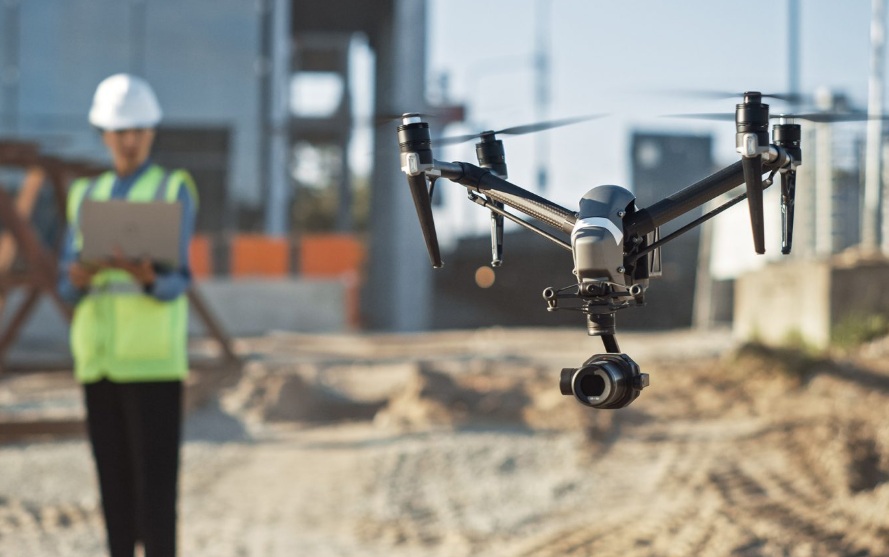
In recent years, the use of drone technology has revolutionized various industries, particularly in sectors that require rigorous safety and compliance measures. One of the most significant applications of this technology is in the area of industrial inspections. Drone inspections not only enhance operational efficiency but also ensure that safety protocols are followed meticulously. Among the various types of drones used for this purpose, oil and gas inspection drones have gained particular prominence due to their ability to perform high-risk inspections in areas that are otherwise challenging to access.
The Role of Drones in Industrial Inspections
Industrial inspections are critical for maintaining safety and compliance in environments such as manufacturing plants, oil rigs, and construction sites. Drones equipped with advanced cameras and sensors can capture high-resolution images and video footage of equipment and infrastructure. This capability allows companies to:
- Conduct visual inspections without putting personnel at risk.
- Identify potential issues such as corrosion, leaks, or structural weaknesses.
- Reduce inspection time significantly, allowing for quicker decision-making.
- Document findings in real-time, providing accurate records for compliance audits.
By employing drone technology, organizations can adhere to strict safety regulations while minimizing downtime and operational costs. The versatility of drones makes them suitable for various tasks, from surveying large areas to inspecting pipelines and storage tanks.
Enhanced Safety Measures
Safety is paramount in industrial settings, and drone inspections enhance safety measures in several ways. Traditional inspection methods often require workers to enter hazardous areas, exposing them to risks such as falls, electrical hazards, and toxic substances. Drones mitigate these risks by accessing hard-to-reach locations without human intervention. For example, oil and gas inspection drones can fly over offshore rigs, pipelines, and refineries, capturing necessary data while keeping personnel safely on land.
Moreover, drones can be equipped with thermal imaging cameras and gas detection sensors, allowing for the identification of leaks and hot spots that may not be visible to the naked eye. This proactive approach to identifying potential hazards not only enhances safety but also helps companies comply with regulatory standards.
Compliance and Regulatory Standards
Compliance with industry regulations is essential for avoiding costly fines and ensuring long-term operational sustainability. Drones provide an efficient solution for monitoring compliance in various industrial activities. The data collected during drone inspections can be invaluable for meeting regulatory requirements set by governing bodies.
For instance, inspections performed by oil and gas inspection drones can help companies adhere to environmental regulations by identifying leaks and emissions that could harm the environment. Additionally, the detailed documentation provided by drones can serve as evidence during compliance audits, demonstrating a company’s commitment to safety and environmental stewardship.
The Future of Drone Inspections
The future of drone inspections appears bright, with advancements in technology continually enhancing their capabilities. As artificial intelligence and machine learning become more integrated into drone systems, the accuracy and efficiency of inspections will improve. Predictive analytics may also be utilized to forecast maintenance needs based on historical inspection data, reducing the likelihood of equipment failure and downtime.
For companies looking to integrate drone inspections into their operations, it is essential to partner with reliable service providers. To explore quality drone solutions, ga naar Acecore, a company known for its innovative approach to drone technology and inspection services.
Innovating Safety Protocols with Drone Technology
As industries continue to evolve, the integration of drone technology into inspection processes will be crucial for ensuring safety and compliance. By leveraging the capabilities of oil and gas inspection drones and other advanced drone systems, companies can enhance their operational efficiency, reduce risks, and maintain adherence to regulatory standards. The future of industrial inspections is undoubtedly airborne, and as we embrace this technology, the potential for improved safety and compliance is limitless.